
- Home/
- Buy Lasix Without Prescription in Australia – Fast Delivery Online
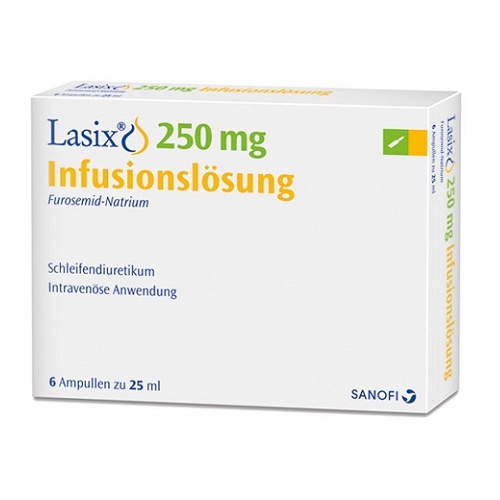
| Brand Name | Lasix |
|---|---|
| Main Compound | Furosemide |
| Purpose | Relief of fluid retention (Edema) caused by heart, liver, or kidney issues |
| Strength Variants | 20 mg, 40 mg, 500 mg tablets; also available in injectable form |
| How Fast It Acts | Within 30 to 60 minutes (oral), 5 minutes (IV) |
| Duration of Benefit | Lasts approximately 6 to 8 hours per dose |
| How You Take It | Usually once or twice daily, as advised by a healthcare professional |
| Prescription Policy in Australia | Requires a prescription as per the Therapeutic Goods Administration (TGA) |
| Cost Range in Australia | Between AUD $8 and $20 per 30 tablets (approximate, may vary by pharmacy and dosage) |
Lasix for Edema: Guidance, Safety, and Purchase Options in Australia
Lasix is a diuretic medication widely used to manage edema, or the build-up of excess fluid in the body, which can result from conditions such as heart failure, liver cirrhosis, or kidney disease. In Australia, Lasix is regulated and available for those who need effective relief from swelling and fluid overload. The path from recognising symptoms to confidently deciding how and where to obtain Lasix in Australia involves several steps, each with its own questions and decisions.
Understanding Edema: You Are Not Alone
Edema—swelling caused by excess fluid trapped in the body’s tissues—affects countless Australians every year and is not limited to any one age group or medical background. According to the Australian Institute of Health and Welfare (AIHW), 2021, hospital admissions for heart failure, a major contributor to edema, accounted for over 60,000 episodes annually. This is just one cause; kidney and liver conditions also significantly contribute to the burden of edema. If you are experiencing swelling in your legs, ankles, or elsewhere, you are not alone, and effective treatments are available to help manage these symptoms and improve quality of life.
How Lasix Relieves Fluid Retention: The Underlying Mechanism and What to Expect
Lasix contains furosemide, a loop diuretic that targets the kidneys. Specifically, it acts on a part of the kidney called the loop of Henle—this segment is responsible for reabsorbing sodium, chloride, and water back into the bloodstream. By actively blocking this reabsorption, Lasix causes the kidneys to excrete more salt and fluid via urine. In practical terms, this means you will notice an increase in urination within an hour of taking a dose, and a reduction in swelling over hours to days, depending on the underlying cause. For most people, this brings noticeable relief in discomfort, reduced tightness in limbs, and improved ability to move.
- Physiological effect: Increased urine output, leading to fluid reduction.
- Practical consequence: Less swelling, lighter feeling in affected areas, and a visible decrease in puffiness.
- Timing: Onset is rapid (within an hour for tablets), with peak effect around 1–2 hours post-dose, and the effects taper over 6–8 hours. This allows planning doses to suit daily routines and minimise disruption.
For people with significant fluid overload, this process can also improve symptoms such as breathlessness, making it easier to carry out daily activities.
Is Lasix Right for Me? Recognising the Right Scenarios
| Your Situation | Lasix Option | Why This Choice |
|---|---|---|
| Swelling due to diagnosed heart failure, kidney, or liver disease | Standard Lasix tablets (20–40 mg) | Recommended because these are classic indications where diuretics are effective and commonly prescribed |
| Sudden, severe swelling or shortness of breath | Lasix injection (hospital setting) | Rapid action needed for acute symptoms; injectable form is more efficient and managed under close supervision |
| Mild, occasional swelling without a known chronic disease | Lasix is generally NOT the first choice | Other causes (e.g., diet, activity) should be explored, and underlying diseases ruled out before diuretic therapy is considered |
| Currently pregnant or breastfeeding | Lasix usually avoided | Safety in pregnancy/lactation is not established; only used if benefits outweigh risks and under medical supervision |
| Taking other blood pressure or kidney medications | Consult a doctor before using Lasix | Certain medication combinations can be risky and require monitoring or dose adjustments |
In summary, Lasix is highly effective for specific, well-defined medical conditions. For those with mild symptoms, uncertain causes, or special circumstances such as pregnancy, alternative approaches or further investigation may be more appropriate.
How to Use Lasix in Daily Life: Practical Guidance and Non-Standard Situations
For routine use, Lasix is typically taken in the morning, with or without food, to minimise the impact on sleep due to increased urination. If two doses are needed, the second is often scheduled before mid-afternoon for the same reason. Always follow your doctor’s instructions regarding dose and timing.
- If you miss a dose: Take it as soon as you remember, unless it is late in the day (to avoid nighttime urination). If nearly time for the next dose, skip the missed one—never double up.
- If symptoms do not improve: Contact your healthcare provider. Some cases require dose adjustment, alternative diuretics, or investigation of other causes.
- What is normal: More frequent urination, less swelling, improved breathing in fluid overload cases.
- What requires medical attention: Persistent or worsening swelling, dizziness, extreme tiredness, muscle cramps, or signs of dehydration (e.g., very dry mouth, confusion).
- Dietary considerations: You may need to monitor salt intake, and sometimes potassium levels, depending on your doctor’s guidance.
For those interested in options to buy Lasix online, ensure the provider is reputable, offers pharmacy support, and requests necessary medical information. If seeking Lasix without prescription, be aware of legal and health risks—Australian law requires a valid prescription for Lasix, though some online sources may not. This practice is not endorsed by Australian regulators and may expose you to counterfeit or unsafe products. When you order Lasix in Australia, always verify that the source is an approved pharmacy or telemedicine platform.
Who Should Not Take Lasix?
Certain individuals must avoid Lasix due to heightened risk of complications, based on how the medication alters fluid and electrolyte balance:
- Severe kidney failure (anuria): Lasix is contraindicated because it will be ineffective and may worsen kidney injury.
- Dehydration or low blood volume: Taking Lasix could worsen dehydration, leading to dangerously low blood pressure or kidney dysfunction.
- Allergy to furosemide or sulfa drugs: People with hypersensitivity risk severe reactions, ranging from rash to life-threatening symptoms.
- Low sodium or potassium: Lasix can further lower these electrolytes, risking heart rhythm problems and muscle weakness.
- Liver coma or severe liver disease: Fluid shifts can worsen neurological symptoms.
Always inform your doctor of any existing health conditions before starting Lasix. Consulting a healthcare professional is especially critical if you have complex medical backgrounds or are taking other medications.
Side Effects: What to Expect, When to Act
Lasix is generally well-tolerated when used as directed, but as with all medications, side effects can occur. Common side effects—such as increased urination, mild dehydration, or low blood pressure—usually resolve with dose adjustment or supportive measures. Less commonly, people may experience:
- Muscle cramps, weakness, or fatigue: Often due to changes in potassium or sodium. These symptoms typically improve with electrolyte management.
- Dizziness or lightheadedness: Usually related to low blood pressure or rapid fluid loss.
- Increased thirst or dry mouth: Indicative of dehydration; monitor fluid intake as per medical advice.
Rare but serious side effects include hearing changes, severe skin reactions, or signs of a severe allergic reaction (difficulty breathing, swelling of the face/throat, rash). If you or someone with you experiences sudden confusion, chest pain, fainting, or rapid heartbeats after taking Lasix, call Triple Zero (000) for emergency medical assistance in Australia without delay.
Drug Interactions: What You Need to Know
Lasix can interact with a number of other medications, which can alter its effects or increase the risk of adverse outcomes. The most significant interactions include:
- Other blood pressure medications: Risk of excessively low blood pressure.
- Non-steroidal anti-inflammatory drugs (NSAIDs): May reduce the effect of Lasix and harm kidney function.
- Digoxin: Electrolyte disturbances caused by Lasix can make digoxin side effects more likely.
- Antibiotics like aminoglycosides: Combined use can increase the risk of hearing damage.
- Diabetes medications: Lasix can make blood sugar control more challenging.
Always disclose your full list of medications and supplements to your prescriber to ensure that Lasix is safe and effective for your specific situation. Adjustments or closer monitoring may be necessary when combining with the above medications.
How Does Lasix Compare to Other Options?
Lasix is one of several diuretics used for fluid overload. Compared to thiazide diuretics (e.g., hydrochlorothiazide), Lasix is more potent and effective in cases of severe edema or impaired kidney function. However, its powerful action also means a higher risk of rapid fluid and electrolyte shifts. For mild edema or long-term management, your doctor may consider alternatives with a gentler profile or different mechanism, such as spironolactone or thiazides, especially if you have co-existing conditions or side effect concerns.
- When Lasix is preferred: Rapid, substantial fluid removal is necessary (e.g., heart failure exacerbations, significant kidney impairment).
- When alternatives may be better: Mild swelling, those prone to electrolyte imbalances, or when blood pressure control is the primary goal.
- Limitations of Lasix: Not suitable for all cases, especially if underlying fluid retention is not related to heart, liver, or kidney function. Electrolyte monitoring and medical supervision are essential for safe use.
Buying Lasix in Australia: Cost, Formats, and Reliable Sources
Once your doctor has advised you to use Lasix, you can obtain it through several routes. In Australia, Lasix is available in most community and hospital pharmacies, with the price varying by dosage, pharmacy, and whether you use the public or private healthcare system. If you prefer the convenience of Lasix online, reputable digital pharmacies and telehealth platforms are available—these typically require uploading your prescription. Some international sources may offer Lasix without prescription, but this is not compliant with Australian law and carries risks, including lack of quality assurance and counterfeit medications.
For those looking for Lasix cheap or affordable, generic furosemide is widely available and offers the same efficacy at a lower cost. When you purchase Lasix online, look for Australian-registered pharmacies (check for the TGA logo or approval) to ensure authenticity and safety. Delivery options range from standard to express, and costs are generally modest.
Below is a breakdown of the typical costs and steps involved when you buy Lasix in Australia:
| Cost Item | Amount | Note |
|---|---|---|
| Doctor consultation (bulk-billed GP) | AUD $0–$80 | Bulk-billing available in many clinics; private consults may charge a fee |
| Prescription (if required separately) | AUD $0–$20 | Included in most GP consults; private scripts may incur a charge |
| Lasix (30 x 40mg tablets) | AUD $8–$20 | Varies by pharmacy and brand |
| Delivery (online/telehealth orders) | AUD $6–$15 | Standard vs express options |
| Total | AUD $14–$115 | Depending on consultation, prescription, and delivery scenario |
In summary, you can buy Lasix in pharmacy locations throughout Australia, or order Lasix online through legitimate platforms for added convenience. Whether you are seeking Lasix cheap, standard, or premium options, ensure that the source is TGA-approved, and never compromise on safety for the sake of convenience.
Common Remaining Questions About Lasix in Australia
- Can I purchase Lasix without prescription if I have used it before? In Australia, Lasix remains a prescription-only medication due to the potential for significant side effects and the need for monitoring. While some online sources may offer Lasix without prescription, this bypasses safety checks and is not recommended. Always consult your doctor for ongoing scripts and safe supply.
- Is generic furosemide as effective as branded Lasix? Yes—both products contain the same active ingredient and are regulated for quality and efficacy by the TGA.
- Is there a risk of counterfeit Lasix when buying online? There is a risk if purchasing from unverified or international sources. Always check that your online pharmacy is registered in Australia and features the TGA approval mark.
- What should I do if I experience confusion, fainting, or severe weakness after taking Lasix? These may signal dangerous electrolyte imbalances or other complications—seek urgent medical care by calling Triple Zero (000) in Australia.