
- Home/
- Buy Prednisolone at Low Price Online in Australia
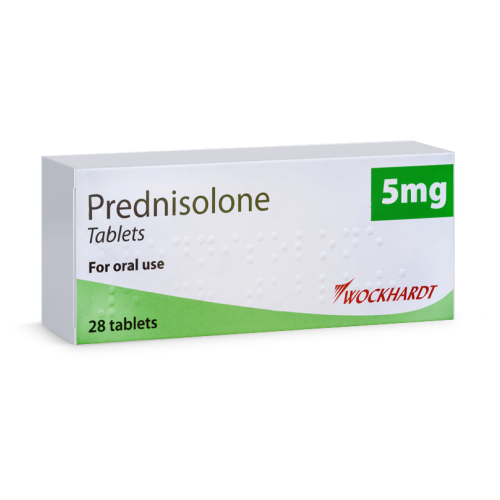
| Name of medication | Prednisolone |
|---|---|
| Main compound | Prednisolone (a corticosteroid) |
| Used for | Treatment of inflammation in various medical conditions (including autoimmune disorders, asthma, allergies, arthritis, skin diseases) |
| Strength options | 1 mg, 5 mg, 10 mg, 20 mg, 25 mg tablets; oral liquid available |
| How quickly it works | Initial effects within 1–4 hours after oral intake |
| Effect duration | Approximately 12–36 hours, depending on dose and individual metabolism |
| When to take | Usually once daily, preferably in the morning; specific instructions depend on your condition |
| Prescription status in Australia | Prescription required by law (Therapeutic Goods Administration, Australia) |
Prednisolone: What to Know Before Buying or Using in Australia
Prednisolone is a corticosteroid medicine used to reduce inflammation in a wide range of medical conditions. It is legally prescribed and available across Australia, addressing immune-related disorders, allergic reactions, and more. This guide explains how Prednisolone works, who it suits, its safety considerations, and how Australians can access it.
Understanding Inflammation: Why Your Symptoms Matter
Inflammation is a natural response of the body’s immune system to injury, infection, or chronic conditions. While it helps protect and heal, uncontrolled or persistent inflammation can cause pain, swelling, and damage to vital organs. According to the Australian Institute of Health and Welfare (AIHW, 2020), approximately 7 million Australians live with chronic inflammatory conditions such as arthritis, asthma, and autoimmune disorders. Recognising that you are part of a large community experiencing similar symptoms can help reduce uncertainty and prompt timely action. Importantly, effective treatments are available—and most people see significant improvement when their inflammation is properly managed.
How Prednisolone Addresses Inflammation
Prednisolone works by imitating the effects of natural hormones produced by your adrenal glands. At a physiological level, it suppresses the activity of certain immune cells and the release of substances (such as cytokines and prostaglandins) that cause inflammation. In practical terms, this means:
- Reduced swelling and pain: Many people notice improvement in joint pain, skin rashes, or respiratory symptoms within hours to a few days.
- Faster healing: By controlling overactive immune responses, Prednisolone helps prevent further tissue damage.
- Relief from severe symptoms: In acute conditions like asthma attacks or allergic reactions, Prednisolone can be lifesaving.
For those with chronic inflammatory illnesses, using Prednisolone can mean fewer flare-ups, improved mobility, and better quality of life when other treatments alone are not enough.
Is Prednisolone Right for You? Matching Scenarios to Solutions
| Your Situation | Recommendation | Reasoning |
|---|---|---|
| You have a diagnosed autoimmune or inflammatory condition, with moderate to severe symptoms unresponsive to standard therapies | Prednisolone may be appropriate | Corticosteroids like Prednisolone can rapidly control inflammation when first-line treatments aren’t enough |
| You need urgent management for a severe allergic reaction, asthma flare, or acute immune crisis (as directed by your doctor) | Short course of Prednisolone is often used | It acts quickly to suppress life-threatening immune reactions, but ongoing specialist supervision is essential |
| Your symptoms are mild, or inflammation is well controlled by other medications or lifestyle changes | Prednisolone may not be needed | Risks of side effects may outweigh benefits if symptoms are already minimal |
| You have a history of significant side effects with steroids or medical conditions that contraindicate corticosteroid use | Alternative therapies should be considered | Prednisolone is not suitable due to increased risk of complications; consult a healthcare provider for safer options |
The best course is always determined by your diagnosis, treatment response, and risk factors. Your doctor or pharmacist can tailor the plan to your individual health needs.
Applying Prednisolone in Real Life: What to Expect and How to Adapt
Starting Prednisolone is often a turning point—relief is possible, but so is uncertainty about practical details. Here’s what to expect and how to handle common situations:
- How and when to take: Swallow tablets with water, usually after breakfast. Take at the same time each day for consistency.
- Food and Prednisolone: Taking with food can help reduce stomach irritation.
- If you miss a dose: Take it as soon as you remember, unless it’s nearly time for your next dose. Do not double up. Missing a single dose is rarely dangerous, but repeated omissions can disrupt control of inflammation—let your prescriber know if this happens.
- When it doesn’t seem to work: Some conditions require several days before improvement is noticeable. If your symptoms worsen or remain unchanged after several days, speak to your doctor rather than increasing the dose yourself.
- Stopping Prednisolone: Never stop abruptly, especially if you’ve used it for more than two weeks. Sudden withdrawal can cause adrenal crisis, a serious medical emergency. Always taper as directed.
- Interactions: Inform your prescriber of all other medicines and supplements you are taking. Certain drugs, including some antifungals, antibiotics, and blood thinners, can interact with Prednisolone.
- Storage: Keep medication in a cool, dry place out of reach of children.
Each adjustment—whether due to missed doses, side effects, or changes in your condition—should be discussed openly with your healthcare provider for best results.
Who Should Not Use Prednisolone?
- Severe infections: Prednisolone suppresses the immune system, so those with untreated systemic infections (such as tuberculosis or fungal infections) should not use it, as it can worsen or mask the infection’s progression.
- Known allergy to Prednisolone or related steroids: Allergic reactions can range from mild to severe (anaphylaxis); alternative treatments are essential in these cases.
- Recent live vaccinations: Since Prednisolone impairs immune response, it increases the risk of complications after live vaccines. Vaccination should be deferred or done before starting steroids when possible.
- Active peptic ulcer disease: Because Prednisolone can irritate the stomach lining and enhance bleeding risk.
There are other specific conditions (such as uncontrolled diabetes, severe hypertension, or certain psychiatric disorders) where use requires careful risk-benefit analysis by your doctor. Always inform your prescriber of your full medical history.
Understanding Side Effects: What’s Common, What’s Serious, and When to Get Help
Most people tolerate short courses of Prednisolone without major problems, but side effects can occur, especially with higher doses or prolonged use.
- Common and usually mild: Increased appetite, difficulty sleeping, mood changes, mild stomach upset. These often resolve as your body adjusts or after stopping the medication.
- Possible, especially with longer use: Weight gain, facial swelling, acne, higher blood sugar, higher blood pressure, muscle weakness, thinning of the skin, delayed wound healing.
- Rare but important: Severe mood changes (depression, mania), confusion, vision changes, severe allergic reactions (swelling, difficulty breathing, rash). If you experience swelling of the face, lips, tongue, or have trouble breathing, this may indicate a serious allergic reaction—call Triple Zero (000) immediately in Australia.
If any side effect concerns you or persists, contact your doctor or pharmacist for advice. Never adjust your dose without speaking to a healthcare professional.
Drug Interactions: What You Need to Know About Combining Prednisolone with Other Medicines
Prednisolone interacts with several medications, which can change its effectiveness or the risk of side effects. Key interactions include:
- Diabetes medications: Prednisolone can increase blood sugar, requiring dose adjustments for insulin or oral hypoglycemics.
- Blood thinners (e.g., warfarin): Steroids can alter the effect of anticoagulants, increasing bleeding risk or reducing effectiveness.
- Non-steroidal anti-inflammatory drugs (NSAIDs): Combining increases risk of ulcers and stomach bleeding.
- Live vaccines: As above, reduced vaccine effectiveness and increased risk of infection.
Your prescriber should have a complete list of all medicines and supplements you use. If you start or stop any medication while on Prednisolone, update your clinician promptly to avoid complications.
Alternatives to Prednisolone: Options for Treating Inflammation
Prednisolone is effective in most cases where rapid suppression of inflammation is needed, but it is not the only option. Here’s how it compares to other treatments:
- Non-steroidal anti-inflammatory drugs (NSAIDs): Suitable for mild to moderate symptoms but not as effective for severe or immune-based inflammation; less risk of immune suppression but more risk of stomach bleeding with long-term use.
- Other corticosteroids (e.g., prednisone, dexamethasone): Similar benefits, but differences in potency and duration may make one preferable in certain cases. For example, dexamethasone is longer-acting and sometimes used in hospital protocols.
- Biologic therapies (such as TNF inhibitors): Used for specific autoimmune diseases when steroids or conventional medications fail or cause unacceptable side effects. These are more targeted but often more expensive and require specialist supervision.
- Lifestyle and adjunct therapies: Diet, exercise, and physiotherapy may help manage chronic inflammation, but are rarely sufficient alone for moderate or severe disease.
Prednisolone remains the standard for acute or uncontrolled inflammation, but your doctor may recommend alternatives if you are at high risk for steroid-associated complications, or if you do not respond adequately to corticosteroids.
Buying Prednisolone in Australia: Availability, Pricing, and Legal Pathways
Once you and your doctor have decided Prednisolone is right for you, the next step is obtaining it. In Australia, Prednisolone is listed on the Pharmaceutical Benefits Scheme (PBS), making it widely accessible. You can buy Prednisolone in pharmacy outlets nationwide, provided you have a valid prescription from a registered prescriber.
Some Australians choose to order Prednisolone online, especially if ongoing prescriptions are needed, or for convenience in regional areas. Reputable online pharmacies operating in Australia require a prescription, just like brick-and-mortar stores. However, there are websites offering Prednisolone without prescription; this practice is not legal under Australian law, and poses risks of counterfeit, substandard, or unsafe medication. The Therapeutic Goods Administration (TGA) advises that you only purchase Prednisolone online from pharmacies registered and regulated in Australia.
If you are searching for Prednisolone cheap, prices do vary depending on the brand, dose, and whether you purchase the generic or original product. Generic Prednisolone is both affordable and widely used, with comparable efficacy. Below is a full cost breakdown for getting Prednisolone in Australia, including possible additional costs.
| Cost item | Amount (AUD) | Note |
|---|---|---|
| Doctor consultation | $50–$90 | Standard GP consultation (in person or telehealth) |
| Prescription fee | $0–$10 | Some clinics charge a nominal script fee |
| Prednisolone (per 100 tablets, 5 mg) | $8–$20 (generic); $25–$35 (branded) | PBS subsidy may apply |
| Delivery (online pharmacy) | $0–$10 | Free or low-cost for standard shipping |
| Total | $58–$135 | Range reflects consultation, script, medication, and delivery |
Ordering Prednisolone online from a legitimate pharmacy can be both convenient and affordable, especially if you have repeat prescriptions. However, always ensure the outlet is licensed in Australia. For those seeking Prednisolone in pharmacy outlets, staff can advise on generic options and pricing. If you are looking to purchase Prednisolone cheap, generic brands are effective and regulated for quality. Never use offers of Prednisolone without prescription as a substitute for proper medical care—safety comes first.
Still Have Questions? Your Next Steps
For anyone still weighing up whether to buy Prednisolone online or through a local pharmacy, consider the following:
- Is it legal? In Australia, Prednisolone requires a prescription. Buying Prednisolone without prescription from overseas or unlicensed sources is not only illegal but exposes you to unnecessary risk.
- Is Prednisolone affordable for long-term use? With PBS subsidy and generic options, most Australians find Prednisolone in Australia fits within their budget. Speak with your pharmacist about available brands and price differences.
- What if I travel or move interstate? Most pharmacies can transfer your prescription, and scripts are valid across Australian states and territories. Some online services offer Australia-wide delivery for repeat users.
Should you have a change in symptoms or develop new health concerns while on Prednisolone, consult with your prescriber. For urgent side effects or suspected overdose, Triple Zero (000) is the emergency number in Australia. Your health and safety are the priority in every decision you make regarding medication access and use.