
- Home/
- Buy Propecia in Online Pharmacy for Australia
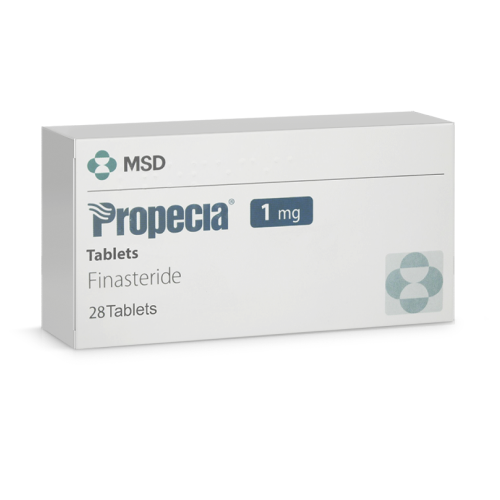
Can you buy Propecia without a prescription in Australia?
No, you cannot buy Propecia without a prescription in Australia. Propecia (finasteride 1mg) is classified as a Schedule 4 (S4) prescription-only medicine under Australian law. It must be prescribed by a registered medical practitioner and dispensed by a licensed pharmacy.
Key Takeaways: What Should Australians Know About Propecia?
- Propecia is intended for men with male pattern hair loss (androgenetic alopecia) and requires a valid doctor’s prescription in Australia.
- Visible results usually appear after 3–6 months of daily use, but continued use is necessary to maintain benefits.
- The most important safety consideration is that Propecia can cause birth defects if handled by pregnant women and may cause sexual side effects in some men.
- Propecia is not suitable for use in women or children and must be kept out of reach from these groups.
- Medical advice should be sought if you experience persistent side effects, new symptoms, or if hair loss worsens during treatment.
- Buying Propecia online should only be done through Australian-licensed pharmacies to avoid counterfeit or unsafe medicines.
How Does Propecia Work? Understanding the Science Behind Its Effects
Propecia contains finasteride, a selective inhibitor of type II 5-alpha reductase. This enzyme converts testosterone into dihydrotestosterone (DHT), a hormone that miniaturises hair follicles in genetically predisposed men. By inhibiting this enzyme, Propecia reduces scalp DHT levels, thereby slowing hair follicle shrinkage and promoting regrowth in cases of androgenetic alopecia.
Metaphor: Imagine DHT as a weed suffocating your lawn. Propecia acts like a weed suppressant, reducing the amount of DHT reaching your hair follicles, so they can grow stronger and healthier.
Propecia does not act on all forms of hair loss. Its effect is limited to male pattern baldness, and it works independently of lifestyle or diet. No special triggers are required—just consistent daily use.
References: Therapeutic Goods Administration (TGA), PubMed
When Results and Expectations Clash: A Clinician’s Observation
As a physician, I often find patients expect rapid and dramatic hair restoration—sometimes within weeks of starting Propecia. In reality, results are usually subtle at first, often noticed only after several months. Many patients judge the treatment as a failure if they do not see regrowth by month two, overlooking the stabilisation of hair loss, which is the initial goal. Rarely do patients ask about maintaining results or what happens after stopping therapy, even though long-term adherence is crucial. Some are also unaware that response varies: not everyone will experience significant regrowth, and some may only retain existing hair. I always encourage patients to monitor progress with photos and to set realistic expectations—hair density may improve, but a full restoration of juvenile hairlines is unlikely. It’s important to discuss both the potential, and the limitations, of finasteride therapy at the outset.
How Should Propecia Be Taken? Dosage and Administration Guidelines
- Standard dose: 1mg finasteride tablet taken orally once daily, with or without food.
- Duration: Regular use for at least 3–6 months is needed to evaluate effectiveness. Continued use is required to sustain results.
- Maximum dose: Do not exceed 1mg per day for hair loss. Higher doses are not more effective for this indication.
- Tablet splitting: Propecia tablets are film-coated and not intended to be split or crushed, especially as contact with the active ingredient should be avoided by pregnant women.
- Missed dose: If a dose is missed, take it as soon as remembered. If it is almost time for the next dose, skip the missed dose. Do not double up doses.
- Special populations: No dose adjustment is generally required for elderly patients, but there is limited research in men over 65. Propecia is not recommended for use in women or children.
Peak effect is typically reached within 12 months. Hair loss may resume within 6–12 months of stopping treatment.
References: NPS MedicineWise
Does Food, Alcohol, or Lifestyle Affect Propecia Absorption?
- Food: No significant effect. Propecia can be taken with or without meals; fatty foods do not alter absorption meaningfully.
- Alcohol: Moderate alcohol use does not appear to interact with Propecia’s metabolism. However, excessive drinking may increase liver strain, as finasteride is processed in the liver.
- Grapefruit juice: No known interaction with Propecia, unlike some other medications.
- Supplements and herbal remedies: No clinically significant interactions identified, but always inform your doctor of all products you use.
Maintaining a healthy lifestyle—including stress management and nutrition—may support overall hair health, but does not impact Propecia’s pharmacological action.
Who Should Not Take Propecia? Absolute and Relative Contraindications
- Absolute contraindications:
-
- Allergy to finasteride or any component of the product.
- Women who are pregnant, may become pregnant, or are breastfeeding—risk of fetal abnormalities.
- Use in children or adolescents (safety and efficacy not established).
- Relative contraindications:
-
- Severe liver impairment: finasteride is metabolised by the liver. Use with caution and only under specialist supervision.
- Personal or family history of prostate cancer: finasteride may affect PSA levels and mask early detection.
- Recent cardiac events:
-
- No specific restriction post-heart attack, but always discuss with your cardiologist before starting any new medication.
Important: Always inform your doctor about all your current medications and medical history before starting Propecia.
What Side Effects Are Most Common with Propecia?
- Very common (>1 in 10): None identified at this frequency in clinical trials.
- Common (1–10%):
- Reduced libido (loss of sexual desire).
- Erectile dysfunction.
- Reduced semen volume.
- Uncommon (0.1–1%):
- Breast tenderness or enlargement (gynecomastia).
- Testicular pain.
- Depressed mood.
- Rare (<0.1%):
- Allergic reactions (rash, pruritus, swelling of lips or face).
- Persistent sexual dysfunction after discontinuation (Post-Finasteride Syndrome, though causality remains debated).
- Male breast cancer (very rare, isolated reports).
Mechanism: Most sexual side effects are due to reduced DHT levels affecting androgen-sensitive tissues.
What to do if side effects occur: Seek medical advice if you experience persistent sexual dysfunction, breast changes, or signs of allergic reaction. Discontinuation may be necessary, but this should be discussed with your doctor.
References: Medsafe NZ, NHS
Common Mistakes When Using Propecia for Hair Loss: How to Avoid Wasted Time and Frustration
- Stopping too early: Many patients discontinue Propecia after 2–3 months if they don’t see new hair growth, missing the point that it can take 6–12 months for visible results and early benefits may be in slowing further loss.
- Inconsistent dosing: Skipping days or taking the medicine at irregular times reduces its effectiveness, as DHT suppression requires steady drug levels.
- Tablet splitting or crushing: Breaking the tablet exposes the active ingredient, which could be hazardous for pregnant partners and may lead to incorrect dosing.
- Ignoring mood or sexual changes: Some patients hesitate to report mood changes, sexual side effects, or breast symptoms, leading to avoidable discomfort or late detection of rare complications.
- Buying Propecia online from unverified sources: Seeking Propecia cheap from international sellers exposes patients to counterfeit products with uncertain safety. Always use Australian-registered pharmacies.
- Not informing all healthcare providers: Failing to mention Propecia use can complicate PSA testing for prostate cancer, as finasteride lowers PSA levels.
Propecia vs Alternatives: How Does It Compare for Male Pattern Hair Loss?
| Medication | Active Ingredient | Onset of Effect | Duration of Effect | Common Side Effects | Cost (AUD/tablet)* | Prescription Required? |
|---|---|---|---|---|---|---|
| Propecia | Finasteride 1mg | 3–6 months | Continues with daily use | Sexual dysfunction, low libido | $1.50–$3.00 (generic) | Yes |
| Minoxidil Topical | Minoxidil 2–5% | 3–6 months | Continues with daily use | Scalp irritation, unwanted facial hair | $0.30–$1.00 (per application) | No (OTC) |
| Dutasteride** | Dutasteride 0.5mg | 4–6 months | Continues with daily use | Sexual dysfunction, hormonal side effects | $2.50–$5.00 | Yes |
* Prices as of 2026, estimates from major Australian pharmacy chains. **Dutasteride is not TGA-approved for hair loss but sometimes prescribed off-label.
- Bottom line: Propecia is preferred for those seeking a tablet option with evidence in male pattern hair loss. Minoxidil is available over-the-counter but may be less effective alone. Dutasteride may be considered under specialist supervision but is not first-line.
Table: Key Product Parameters for Propecia (Finasteride 1mg)
| Active ingredient | Finasteride 1mg |
| Formulation | Film-coated tablet |
| Administration | Oral, once daily |
| Onset of action | 3–6 months (observable effect) |
| Duration of effect | Maintained with ongoing use |
| Storage | Below 25°C, dry place |
| Dispensing | Prescription only (S4) |
Compatibility Checklist: Propecia and Other Common Medications
| Product | Can be combined? | Potential consequence |
|---|---|---|
| Aspirin/paracetamol | Yes | No significant interaction |
| Alcohol (moderate use) | Yes, cautiously | No direct interaction, but excess alcohol stresses the liver |
| Nitrates (e.g. glyceryl trinitrate) | Yes | No direct interaction, but always consult your GP |
| Minoxidil topical | Yes | Often used together for enhanced effect |
| Warfarin/anticoagulants | Yes, with monitoring | No clinically significant interaction, but inform your doctor |
How Propecia Is Absorbed, Metabolised, and Eliminated: Pharmacokinetics in Simple Terms
- Absorption: Propecia is rapidly and almost completely absorbed from the gut after oral administration.
- Distribution: It binds to plasma proteins and is distributed throughout the body.
- Metabolism: Propecia is extensively metabolised in the liver by the cytochrome P450 3A4 enzyme system. Liver impairment may increase blood levels.
- Elimination: About 39% is excreted in urine (mainly as metabolites), and 57% in faeces.
- Half-life: Average terminal half-life is about 5–6 hours in young men, up to 8 hours in men over 70.
Clinical implication: People with severe liver disease should only use Propecia under specialist supervision.
Who Should Consider Propecia? Special Patient Groups and Clinical Considerations
- Elderly: Limited evidence in men over 65; benefit may be less pronounced.
- Liver disease: Increased caution due to hepatic metabolism. No dose adjustment routinely recommended unless severe impairment.
- Kidney disease: No meaningful change in elimination; generally safe.
- Driving and machinery: Propecia does not affect alertness or ability to drive.
- Fertility: Rare reports of reduced sperm count or quality, usually reversible on stopping. Discuss plans for fatherhood with your doctor if concerned.
- Family planning: Propecia should not be handled by women who are pregnant or may become pregnant, due to risk of birth defects in male foetuses.
Not suitable for use in women or children.
Step-by-Step: How to Get Propecia in Australia—From Consultation to Pickup or Delivery
- Consult a doctor: Book an appointment with a GP or dermatologist (in-person or via a telehealth service) to discuss your hair loss and explore if Propecia is suitable.
- Assessment: Your doctor will review your medical history, rule out other causes of hair loss, and check for contraindications.
- Prescription issued: If appropriate, your doctor provides an electronic or paper prescription for finasteride 1mg (Propecia or generic).
- Pharmacy fulfilment: Take your prescription to a licensed Australian pharmacy (in-person or via a pharmacy’s online platform). You may be able to order Propecia online for home delivery from a registered pharmacy.
- Follow-up: Schedule a review after 3–6 months to assess response and side effects. Ongoing scripts may be provided if treatment is effective and tolerated.
Never attempt to buy Propecia without prescription or from non-Australian sources.
How Can I Safely Buy Propecia Online in Australia? Pharmacy Safety and Verification Guide
- Always use a pharmacy registered with the Australian Pharmacy Council (APC) or accredited through the Pharmacy Board of Australia.
- Look for the Australian Government’s “Pharmacy Approval Number” on the website: This indicates regulatory oversight.
- Red flags for unsafe sellers: No prescription required, no Australian contact address, prices significantly below the Australian market, or offers of “Propecia without prescription.”
- Risks of using unverified sellers: Counterfeit medications, poor quality control, illegal importation (risk of customs seizure), and lack of pharmacist support.
- Consumer rights: You are protected under Australian Consumer Law only when purchasing from pharmacies licensed within Australia.
For more information, see the Therapeutic Goods Administration (TGA) or Pharmacy Board of Australia websites.
How to Spot Counterfeit Propecia and Understand Generics in Australia
- Original Propecia packaging (in Australia): White box with blue and green design, marked as “Propecia” (Merck Sharp & Dohme Australia), batch number, expiry date, and TGA registration. Each tablet is beige, film-coated, and marked “MSD 71” on one side.
- Genuine products: Should come with a Consumer Medicine Information (CMI) leaflet, and sometimes a hologram or QR code for verification.
- Counterfeit warning signs: Unusually low prices (“Propecia cheap”), missing CMI, poor print quality, or packaging differing from standard Australian presentation. Tablets that are chipped, off-colour, or unmarked should not be used.
- Generics: Chemically identical to branded Propecia but may differ in excipients (inactive ingredients) and appearance. Generics are rigorously regulated by the TGA for quality and bioequivalence. Allergic reactions to excipients are possible but rare; check the CMI for details.
- Advantage of generics: Lower cost (as low as $1.50/tablet) with the same active ingredient; suitable for most users unless sensitive to fillers.
Quality Assurance: What Does Genuine Propecia Look Like in Australia?
- Tablet: Beige, rounded, film-coated, marked “MSD 71.”
- Blister pack: Clearly printed with batch number and expiry date, MSD logo, and TGA registration number.
- Box: White with green/blue Propecia logo and MSD branding; includes CMI leaflet.
- Security features: Some packs may have a hologram sticker or QR code. Suspicious or unmarked tablets should never be used.
- Never accept loose tablets or medication with foreign-language labels.
Myth vs Reality: Propecia in Australia
-
Myth: You can buy Propecia online without a prescription in Australia.
Reality: This is illegal and risky; always obtain through a licensed doctor and pharmacy. -
Myth: More Propecia means faster or better results.
Reality: Higher doses offer no additional benefit for hair loss and may increase side effects. -
Myth: All hair loss medications are essentially the same.
Reality: Mechanisms, side effects, and evidence differ significantly between Propecia, minoxidil, and alternatives.
Psychological Impact: You’re Not Alone
Hair loss can impact self-esteem and confidence, but it’s a common and treatable condition. Many men in Australia experience androgenetic alopecia at some point in life. If you feel distressed, consider speaking with a healthcare professional, psychologist, or joining a support group. Open discussion with partners and friends also helps normalise the experience.
What Should I Do If I Take Too Much Propecia? Overdose Action Plan
- Stop taking Propecia immediately.
- Call 000 (triple zero) or your nearest Poison Information Centre in Australia: 13 11 26.
- Inform the emergency responder about the medicine, the amount taken, and the time of ingestion.
- Do not attempt to induce vomiting unless instructed by a healthcare professional.
- Take the medication packaging with you to hospital or provide details over the phone.
No antidote exists for finasteride overdose; treatment is supportive based on symptoms.
Questions Patients Often Ask the doctor About Propecia Therapy
- How do I know if Propecia is working for me?
- It can take at least 3–6 months to see visible improvement. Photographs taken before and during treatment are useful for tracking progress. The initial effect is often a slowing or stabilisation of hair loss, rather than obvious regrowth. If you see no benefit after 12 months, your doctor may consider other options.
- Will I lose hair again if I stop taking Propecia?
- Yes—if you discontinue Propecia, any hair preserved or regrown during treatment is likely to be lost within 6–12 months as DHT levels return to baseline.
- Can I combine Propecia with other hair loss treatments?
- Yes, Propecia is commonly combined with topical minoxidil for a synergistic effect. Your doctor can advise on the best regimen for your needs and medical history.
- Does Propecia affect other aspects of my health?
- Propecia’s action is quite specific to the hair follicles and prostate gland. It does not affect muscle growth, mood, or cardiovascular health in most patients, but mood changes and sexual side effects can occasionally occur.
- Will taking Propecia affect my prostate cancer screening?
- Yes, Propecia lowers PSA (prostate-specific antigen) readings by about 50%. Always inform your doctor and pathologist if you are taking finasteride so results can be interpreted accurately.
- How should I store Propecia?
- Keep Propecia in its original packaging, below 25°C, in a dry place and out of reach of children. Do not use it past the expiry date.
doctor’s Clinical Opinion: Who Will Benefit Most from Propecia and When to Consider Alternatives
In my clinical experience, Propecia is best suited for men with mild to moderate male pattern hair loss (androgenetic alopecia), especially those who begin treatment early in the course of hair thinning. Younger men and those with recent onset of thinning tend to respond most favourably, often experiencing stabilisation and some regrowth. Men with extensive baldness or long-standing hair loss are less likely to regain significant density, though some slowing of further hair loss may still occur. I approach therapy with caution in those with a strong family history of prostate cancer, men concerned about sexual side effects, and anyone with significant liver disease. For patients with contraindications, or those not responding after a year of consistent use, I usually discuss alternative options such as minoxidil, lifestyle modification, or referral for hair transplantation. Ultimately, the decision to start or continue Propecia should balance medical suitability, realistic expectations, and a willingness to adhere to long-term daily treatment.
Frequently Asked Questions: Propecia in Australia
- Can I buy Propecia in Australia without a prescription?
- No, Propecia is a prescription-only medicine in Australia. You need a valid prescription from a licensed doctor to buy Propecia in pharmacy or order Propecia online legally.
- How much does Propecia cost in Australia?
- The typical cost for generic finasteride (1mg) is $1.50–$3.00 per tablet, while branded Propecia may be higher. Prices vary between pharmacies and may be reduced by PBS (Pharmaceutical Benefits Scheme) for certain indications.
- Is there a way to purchase Propecia cheap or at an affordable rate?
- Generic versions of finasteride are available in Australia and are usually more affordable than the branded product without compromising on quality. Compare prices among Australian-registered pharmacies and look for PBS subsidies if eligible.
- What should I do if I miss a dose of Propecia?
- Take the missed dose as soon as you remember. If it is close to your next dose, skip the missed dose—never double up. Regular daily dosing is important for consistent results.
- How long does it take for Propecia to work?
- Most users notice a slowing of hair loss after 3–6 months. Visible regrowth may take up to 12 months. Continued daily use is necessary to maintain benefits.
- Can women use Propecia for hair loss?
- No, Propecia is not approved for use in women and is contraindicated in pregnancy due to the risk of birth defects.
- What are the main side effects of Propecia?
- The most common side effects are reduced libido, erectile dysfunction, and decreased semen volume. Rarely, breast tenderness, mood changes, or allergic reactions may occur.
- Do I need regular check-ups while taking Propecia?
- Yes, regular reviews with your doctor are recommended to assess effectiveness, monitor for side effects, and review your ongoing need for the medication.
- Is it safe to buy Propecia online in Australia?
- Only buy Propecia online from a licensed Australian pharmacy with a prescription. Avoid international sellers and websites offering Propecia without prescription to avoid counterfeit or unsafe products.
References & Authoritative Sources
- Therapeutic Goods Administration (TGA), Finasteride, accessed 2026: https://www.tga.gov.au
- Australian Medicines Handbook, Finasteride, 2026 Edition: https://amhonline.amh.net.au
- NPS MedicineWise, Finasteride for hair loss, accessed 2026: https://www.nps.org.au
- Merck Sharp & Dohme (Australia), Propecia Consumer Medicine Information, accessed 2026: https://www.msd-australia.com.au
- PubMed, Finasteride in androgenetic alopecia: recent review, accessed 2026: https://pubmed.ncbi.nlm.nih.gov/
- NHS, Finasteride for hair loss, accessed 2026: https://www.nhs.uk/medicines/finasteride/
- Mayo Clinic, Finasteride (oral route), accessed 2026: https://www.mayoclinic.org/drugs-supplements/finasteride-oral-route/description/drg-20063273
- Pharmacy Board of Australia, Registration standards, accessed 2026: https://www.pharmacyboard.gov.au