
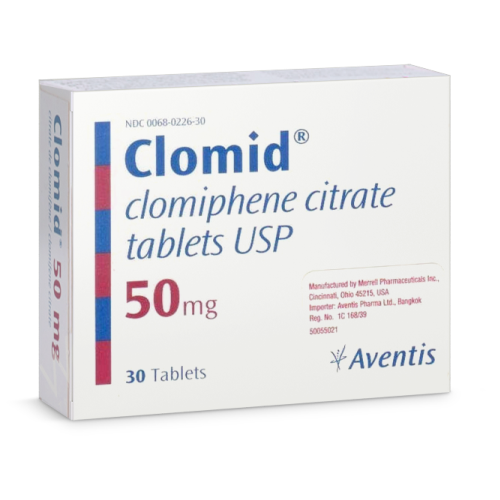
Starting the Clomid Journey: Why Australian Patients Ask for It by Name
“Is Clomid the missing piece?” That’s the question many Australian women ask after months—or years—of waiting, hoping, and trying. Unlike some fertility medications hidden behind complex medical language, Clomid has a reputation that echoes in waiting rooms and online forums. In Australia, the word ‘Clomid’ is more than a brand—it’s often the first real sign of hope in a fertility journey. It’s the medication patients mention by name when they see their GP, sometimes even before seeing a specialist.
Behind this popularity is a simple reason: Clomid can be a straightforward, well-tolerated first step for women with ovulation problems. The idea of “trying Clomid” feels accessible, partly because the process is usually outpatient, doesn’t require daily injections, and is supported by decades of Australian experience. But popularity breeds confusion: just because friends recommend it, or stories online talk about “buying Clomid online,” doesn’t mean it’s the right or legal choice for everyone.
Understanding whether Clomid is a fit for your fertility story, and what buying or ordering it in Australia really involves, is the first step. The journey starts not with a promise, but with a real conversation—about your health, your options, and how this medication fits into the uniquely Australian landscape of fertility care.
Who Actually Benefits from Clomid—and Who Doesn’t?
Every day, doctors in Australia see patients who want to buy Clomid for “just a little help.” For some, it’s exactly the right choice. For others, it’s a detour. The key is understanding who Clomid actually helps—and who is likely to be disappointed or even harmed by taking it.
- Best suited: Women with ovulatory dysfunction—especially those with conditions like polycystic ovary syndrome (PCOS) and otherwise healthy reproductive anatomy.
- Less effective: Women with blocked fallopian tubes, severe male factor infertility, diminished ovarian reserve, or age-related infertility. In these cases, Clomid may offer little benefit, and referral to a fertility specialist for alternatives is recommended.
- Not suitable: Anyone with a known allergy to clomiphene, undiagnosed abnormal uterine bleeding, or certain hormonal cancers (see the “When Not to Take” section below for a full warning list).
Clomid is most effective for women whose primary obstacle is irregular ovulation. It is not a universal solution for all causes of infertility. This is why, in Australia, GPs will typically request relevant blood tests and an ultrasound before writing a prescription. Some patients are surprised to learn this, having read online about “ordering Clomid without prescription” from overseas sites. In reality, such sources are both illegal and unsafe for Australian consumers.
- Ovulatory Dysfunction
- Irregular or absent ovulation that affects fertility; common in conditions like PCOS.
In summary: if your main barrier is not ovulation, Clomid is unlikely to help. If you’re unsure, consult your fertility specialist or GP, who can interpret your individual situation in the context of Australian best practice.
How Clomiphene in Clomid Works (and Where It Fits Among Alternatives)
The science behind Clomid is deceptively simple: clomiphene tricks your brain into thinking your body isn’t making enough oestrogen. As a result, the pituitary gland releases more follicle-stimulating hormone (FSH), which encourages the ovaries to develop and release a mature egg. This makes Clomid effective for women who don’t ovulate regularly.
It’s this specific mechanism—using a pill to nudge the body’s own hormonal axis—that sets Clomid apart from other infertility treatments. While some alternatives require injections of hormones or more invasive procedures, Clomid’s oral route and predictable timing offer a unique balance of convenience and control.
This gap between ovulation and pregnancy is crucial. Ovulation does not guarantee conception. Other factors—partner’s fertility, age, and uterine health—matter just as much. For many, Clomid is the first step, not the final answer.
Doctor’s insight: “Patients often ask why Clomid hasn’t led to pregnancy even though they’re ovulating. In real-world practice, we remind them: ovulation is necessary, but not always sufficient. Persistence and individual workup are essential for success.”
Compared to alternatives like letrozole (another oral agent now increasingly used in PCOS) or injectable gonadotropins, clomiphene is typically the first-line medication for ovulation induction in Australia. However, letrozole has gained traction in recent years, especially for patients who do not respond to or tolerate Clomid. The choice depends on your medical profile, previous responses, and sometimes even financial considerations, as injectable treatments are more costly and require closer monitoring.
Expectations vs. Reality: What Clomid Treatment Is Really Like for Women in Australia
For many, the first Clomid prescription feels like a breath of fresh air. No needles. No daily clinic visits. Just a tablet, taken at home. But the process is more structured than it may appear in social media stories about “buying Clomid cheap” or “ordering Clomid online.”
- Initial Assessment: Australian GPs or fertility specialists will order blood tests and a pelvic ultrasound to confirm ovulatory dysfunction and rule out other causes of infertility. Only then will they prescribe Clomid.
- Dosing and Timing: Most women start with a 50 mg dose daily for five days, usually beginning on day 2, 3, 4, or 5 of the menstrual cycle. Doses can be adjusted up to a maximum of 150 mg, depending on response.
- Monitoring: In Australia, monitoring may include blood tests around ovulation or ultrasound scans to confirm follicle development and reduce the risk of multiple pregnancies. However, in low-resource or rural settings, clinical monitoring may be less intensive.
- Repeat Cycles: If ovulation does not occur, doctors may increase the dose in subsequent cycles. If pregnancy is not achieved after 3–6 cycles (or ovulation does not occur at maximum dose), alternative treatments are considered.
While some women conceive on the first try, others face disappointment. Emotional highs and lows are common. The treatment is not always affordable for all Australians—especially if additional tests, specialist visits, or monitoring are required. Unlike some countries, Clomid in Australia is not available over the counter; it is dispensed only with a valid prescription from a registered pharmacy.
Buying Clomid cheap online may seem tempting, but these sources are not regulated by the Therapeutic Goods Administration (TGA) and often deliver counterfeit or improperly stored products. In the long run, working with an Australian doctor and pharmacy is both safer and often more cost-effective, especially when factoring in the need for proper dosing and monitoring.
From the Clinic: How Doctors Make the Call on Clomid
In the end, Clomid is not just about the medication—it’s about clinical judgment. Every Australian fertility specialist has stories of surprises: the patient who conceived after years of trying, and the one who didn’t respond at all. This is where clinical experience and local guidelines meet.
Doctor’s experience: “What we see most often in practice is that Clomid works best in patients with clear ovulatory issues and no other significant barriers to fertility. But the key is choosing carefully: overusing Clomid, or using it in women with other fertility problems, only leads to frustration. We also emphasise that, while buying Clomid online feels convenient, in Australia it’s not only illegal without a prescription, but dangerous—there’s no guarantee of quality or safety.”
Doctors weigh not just the diagnosis, but also the patient’s age, ovarian reserve, partner’s fertility, and the results of initial investigations. Clomid is usually the first choice for women with anovulation and normal hormone levels, provided there are no contraindications. Alternatives like letrozole or gonadotropins come into play if Clomid fails or causes unacceptable side effects.
- Clomid is not suitable for unexplained infertility or advanced maternal age, where evidence for benefit is limited and IVF may offer better outcomes.
- Careful monitoring is essential to reduce the risk of multiple pregnancies and ovarian hyperstimulation.
Experience teaches that the right conversation at the outset—honest about risks, realistic about expectations—makes a bigger difference in patient outcomes than the choice of medication alone.
Buying, Ordering, and Accessing Clomid in Australia—Navigating the System
Securing Clomid in Australia isn’t as simple as clicking ‘buy now’. The process is shaped by Australia’s regulatory and healthcare landscape, which protects patients but can also cause confusion—especially when “Clomid online” ads and overseas suppliers make it look easy to order Clomid without a prescription.
- Can you buy Clomid in Australia without a prescription?
- No. Australian law requires a valid prescription from a registered health professional. Any website or supplier offering Clomid without prescription is operating illegally, and the product may be counterfeit or dangerous.
- What’s the legal way to purchase Clomid?
- Obtain a prescription from your GP or fertility specialist, then fill it at a registered Australian pharmacy. Clomid is not sold over the counter.
- Is it possible to order Clomid online in Australia?
- Yes, but only through Australian-registered online pharmacies that require a valid prescription. Delivery is typically fast, but prices and shipping policies may vary.
Clomid is listed on the Pharmaceutical Benefits Scheme (PBS) for certain indications, but coverage can be variable depending on your particular diagnosis and specialist prescription. Many patients pay privately, especially when using the medication for “off-label” reasons not covered by PBS. Always discuss cost and coverage with your pharmacist or doctor before you order Clomid.
In summary: Buying Clomid, ordering Clomid, or purchasing Clomid in Australia always requires a prescription. If a source claims otherwise, it is not legitimate. Stick with registered pharmacies—whether in person or online—to ensure your medication is real, monitored, and safe.
Which Side Effects Matter Most with Clomid—and When to Act
Most women tolerate Clomid well, but a minority experience side effects that may be surprising if you’ve only read about “buying Clomid cheap” and not about its risks. Understanding which effects are expected, which are concerning, and when to seek help can make the journey safer and less stressful.
| Side Effect | Frequency | When to Contact a Doctor |
|---|---|---|
| Hot flushes | 10–25% | Persistent or severe discomfort |
| Headache | 5–20% | Severe, persistent, or with vision changes |
| Visual disturbances (blurred vision, spots) | 1–2% | Any new or persistent changes—stop medication and seek review immediately |
| Mood swings, irritability | 5–10% | If affecting daily life or worsening |
| Abdominal bloating | 5–10% | If severe or associated with pain—rule out ovarian hyperstimulation |
| Multiple pregnancies (twins/triplets) | 6–10% | Detected on ultrasound—requires close monitoring |
| Ovarian cysts | 3–10% | Persistent pelvic pain or bloating—requires imaging |
| Ovarian hyperstimulation syndrome (OHSS) | Rare (<1%) | Rapid weight gain, severe pain, vomiting—seek urgent care |
Most side effects are mild and self-limited. However, any visual disturbance, severe headache, or signs of OHSS (rapid weight gain, severe abdominal pain, or vomiting) require stopping Clomid and urgent medical review.
- Ovarian Hyperstimulation Syndrome (OHSS)
- A rare but potentially serious reaction where the ovaries become swollen and painful. Risk increases with higher doses or multiple cycles.
Open communication with your doctor is key. Describe any symptoms that concern you, even if they don’t appear “on the list.” Your doctor will know when a side effect is expected, and when it signals a problem that needs action.
Clomid vs. Other Female Infertility Treatments: An Australian Comparison
| Feature | Clomid (Clomiphene) | Letrozole | Gonadotropin Injections |
|---|---|---|---|
| Indication (Australia) | First-line for ovulatory dysfunction (PCOS, unexplained anovulation) | Alternative first-line for PCOS, some off-label use | Second-line or IVF adjunct |
| Mechanism | Oestrogen receptor modulator (oral) | Aromatase inhibitor (oral) | Direct FSH/LH stimulation (injection) |
| Typical Dose | 50–150 mg daily x 5 days | 2.5–7.5 mg daily x 5 days | Varies, daily injections |
| Common Side Effects | Hot flushes, mood swings, visual changes | Fatigue, headache, dizziness | Abdominal bloating, multiple pregnancy risk, OHSS |
| Pregnancy Rate (per cycle) | ~12–15% | ~12–27% (some evidence higher in PCOS) | ~15–25% |
| Multiple Pregnancy Risk | 6–10% | 4–6% | 15–30% |
| Prescription Required? | Yes (Australia) | Yes (off-label in Australia) | Yes (Australia, specialist only) |
| Typical Cost | $35–$70/course | $40–$90/course | $900–$1,500/cycle |
| Ease of Use | Oral tablet, simple schedule | Oral tablet, simple schedule | Daily injections and frequent monitoring |
For most women with ovulatory dysfunction, Clomid remains the default first step. Letrozole is increasingly used, particularly for PCOS, with some evidence suggesting higher pregnancy rates and fewer side effects. Gonadotropin injections are reserved for women who do not respond to oral agents or who require IVF. The gap in cost and complexity is significant: Clomid is both affordable and convenient for most Australian patients, while injectable therapies require specialist care and a bigger financial commitment. It’s why buying Clomid in pharmacy or ordering Clomid online from an Australian supplier is often the preferred route—provided you have a valid prescription.
When Not to Take Clomid: Contraindications and Clinical Warnings
- Are pregnant or may be pregnant (exclude before starting each cycle)
- Have known allergy to clomiphene or any ingredient in Clomid
- Have undiagnosed abnormal uterine bleeding
- Have ovarian cysts unrelated to PCOS
- Have active liver disease or history of liver dysfunction
- Have hormone-dependent tumours (such as certain breast, ovarian, or uterine cancers)
- Thyroid or adrenal dysfunction (should be corrected before using Clomid)
- Severe mental health conditions (mood swings can worsen)
- Visual impairment—risk of persistent vision changes
Doctors in Australia are trained to screen for these contraindications before prescribing Clomid, but it’s vital to disclose all relevant medical history at your appointment. Even if you see offers online to “order Clomid without prescription,” self-medicating bypasses these safety checks and risks serious harm. If you’re unsure whether you’re a safe candidate, always speak to your GP or fertility specialist.
Clomid in Australia: Real Questions, Candid Answers
- Can I buy Clomid without prescription in Australia?
- No. Australian law requires a prescription. Websites claiming to “sell Clomid without prescription” are illegal and unsafe. Only registered pharmacies—online or in-store—can dispense Clomid legally.
- Is it safe to order Clomid online?
- It can be safe if you use an Australian online pharmacy with a valid prescription. Avoid overseas or unlicensed sites offering “Clomid cheap”—these may supply counterfeit products or incorrect doses.
- How much does Clomid cost in Australia?
- The typical price range is $35–$70 for a course (5–10 tablets), but costs may vary by pharmacy, dose, and whether you are eligible for PBS subsidy.
- Why do some women not get pregnant on Clomid?
- Clomid helps induce ovulation, but other factors—age, partner’s fertility, and uterine health—also play major roles. Ovulation does not guarantee pregnancy. Discuss ongoing concerns with your doctor for a full workup.
- How do I know if Clomid is working?
- Signs include a regular menstrual cycle, ovulation symptoms (such as mid-cycle pain), or confirmation from blood tests/ultrasounds. Your doctor may monitor ovulation with blood tests (progesterone) or ultrasound scans.
- Are there generic versions of Clomid in Australia?
- Yes. Several brands of clomiphene citrate are available, with similar effectiveness and safety profiles. Generic options may be more affordable. Your pharmacist can advise on available brands.
- What should I do if I miss a dose?
- If you forget to take a dose, take it as soon as you remember on the same day. Do not double up. If the whole day has passed, skip that dose and continue with the next. Contact your doctor for advice if you miss more than one dose in a cycle.
- Can men use Clomid for infertility in Australia?
- Clomid is occasionally used off-label for male infertility, but this is less common in Australia and only under specialist supervision. The majority of prescriptions are for female ovulation induction.
- Can I buy Clomid cheap from overseas?
- While some websites advertise “Clomid cheap” or “Clomid without prescription,” these are illegal imports in Australia and may be seized by customs. There is also a risk of counterfeit or unsafe medications. Stick to Australian pharmacies for safety.
- How many cycles of Clomid can I take?
- Most doctors recommend a maximum of 6 cycles. Continuing beyond this increases risks without improving pregnancy rates. If you have not conceived after 6 cycles, seek specialist review for alternative options.
References
- Therapeutic Goods Administration (TGA), Australian Government
- Clomiphene Citrate Consumer Medicine Information, Mylan Australia, 2022
- Royal Australian and New Zealand College of Obstetricians and Gynaecologists (RANZCOG)
- NPS MedicineWise – Clomiphene
- Mayo Clinic – Clomiphene (Oral Route)
- NHS – Infertility and Clomiphene
- PubMed – Clomiphene and Female Infertility
- World Health Organization – Infertility Definitions and Guidance