


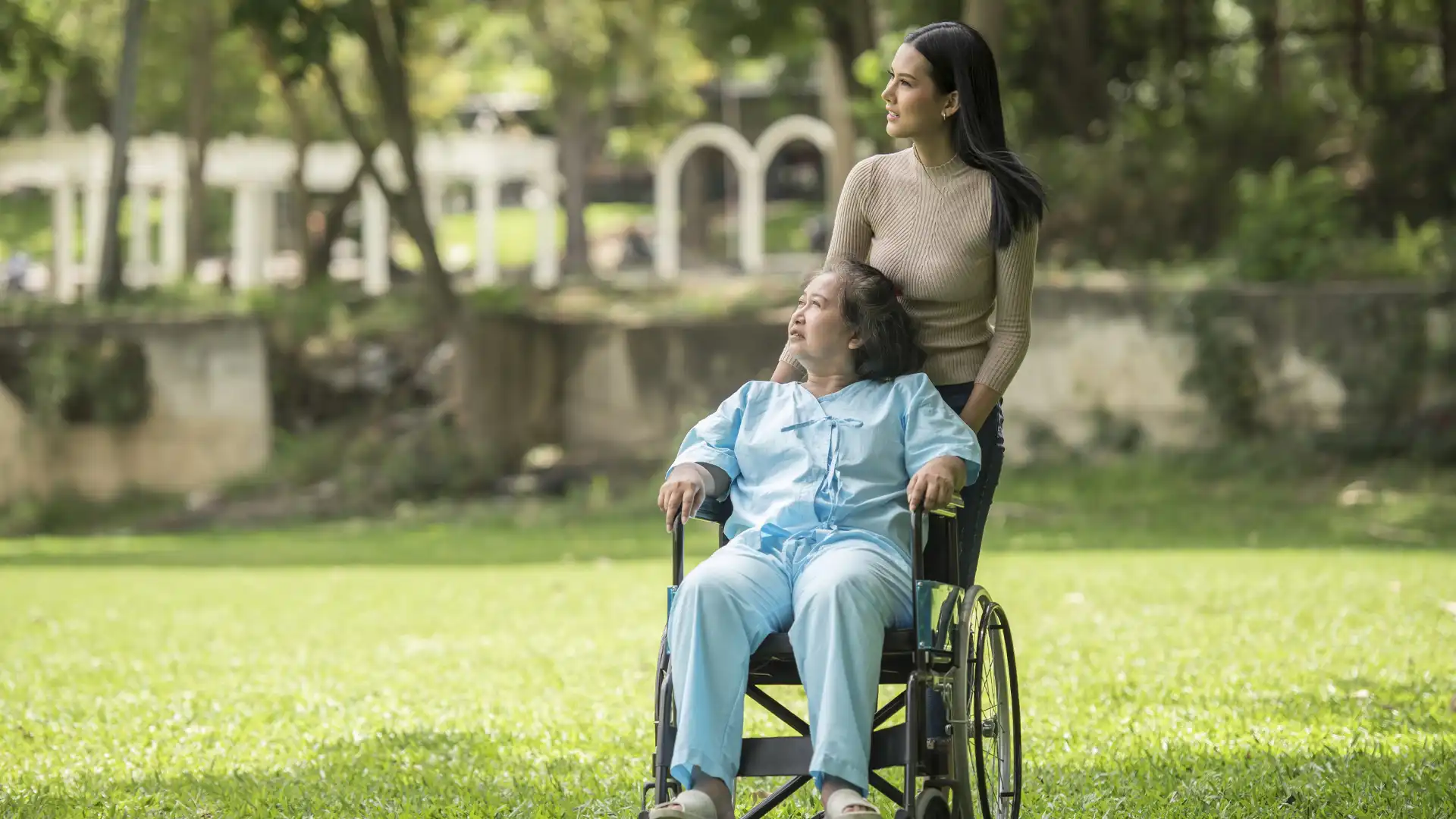
For families, the decision to move a loved one into Supported Independent Living (SIL) can be a challenging and difficult one, as it is not always easy. In most cases, it doesn’t come as a sudden decision; it develops gradually as daily needs increase and independence becomes harder to maintain safely.
In Melbourne West, many NDIS participants and families begin exploring SIL when they realise that the current living arrangement is no longer sustainable. Accessing the situation by understanding the signs early can help ensure a smooth and supportive transition.
Supported Independent Living (SIL) is an NDIS-funded support which is designed for individuals with disabilities to receive assistance with daily tasks. This includes support with personal care, household activities, routine management, and skill development.
Furthermore, SIL offers flexible options, such as shared homes or individual settings, tailored to the needs and goals of each participant.
For any individual, when everyday activities such as cooking, cleaning, or personal hygiene become increasingly difficult without support, it should be a clear sign for SIL support.
The carefully designed support programme provides structured assistance to improve both safety and quality of life.
Often, strong feelings of love make families take on caregiving responsibilities, but over time, this can become physically and emotionally overwhelming.
In an environment where family members are providing constant supervision or assistance, SIL can reduce this pressure while ensuring professional and consistent support for the participant.
Irrespective of the nature of disability, risk of falls, medication mismanagement, or inability to respond to emergencies always exists. SIL builds a supportive environment which not only mitigates these risks but also assist to achieve desired independence in life.
SIL homes are designed to provide a safe and structured setting with trained support staff available when needed.
Sometimes, the nature of disability and risks associated with it can force participants to spend most of their time alone and may experience feelings of isolation, which can impact mental well-being.
SIL encourages social interaction, community participation, and the development of meaningful relationships, especially within shared living environments.
If a participant’s disability impedes the development of essential life skills such as cooking, reading, and communication, it may indicate the need for structured support.
SIL programs focus on skill-building, helping individuals gain confidence and independence over time.
In many cases, depending upon the circumstances, participants may require more consistent or specialised care. In such a situation, family-based living arrangements may not be the wise choice, and families should look for SIL support, which is a more flexible and safe option.
It is advised that families should act in a timely manner rather than waiting until a crisis occurs, which can make the transition more stressful. Early planning allows families to:
Planning ahead leads to better outcomes and more stable living arrangements.
Assist & Care Providers, through their expertise in the field, helps participants and families across Melbourne West to understand SIL eligibility, prepare for NDIS planning meetings, and explore suitable living options.
When it comes to SIL services along with safety and independence, we ensure each participant receives support that aligns with their goals and lifestyle.
For any family, assessment of the conditions and realisation of the need for SIL is the first step toward improving safety, independence, and overall well-being. In cases when families recognise and try to address the increasing daily challenges and safety concerns, SIL provides a structured and supportive environment to live with confidence.
If you or your loved one is considering SIL in Melbourne West, taking early action can make all the difference in creating a positive and successful transition.