
- Home/
- Buy Antabuse at Low Price in Australia Online
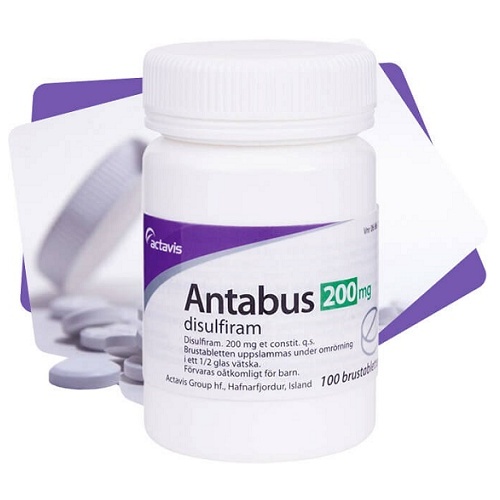
Antabuse (Disulfiram) in Australia: The Ultimate Guide to Safe Use, Prescription, and Online Purchase
Is it legal to buy Antabuse without a prescription in Australia?
No, it is not legal to buy Antabuse without a prescription in Australia. According to the Therapeutic Goods Administration (TGA) and Australian law, Antabuse (disulfiram) is a Schedule 4 (Prescription Only) medication. Purchasing or importing Antabuse online or from a pharmacy requires a valid Australian prescription. Ordering Antabuse without prescription from overseas or unlicensed sellers is illegal, may result in customs seizure, and exposes you to health and legal risks.
Key facts: Antabuse at a glance
| Active Ingredient | Disulfiram |
| Main Use | Alcohol dependence (chronic alcohol misuse) |
| Onset of Action | Within 1–2 hours (effects on alcohol metabolism last up to 1–2 weeks after last dose) |
| Prescription Status | Prescription only (Schedule 4) |
| Availability | Australian pharmacies (with prescription); select online pharmacies (prescription required) |
| Can I buy Antabuse online? | Yes, but only from Australian-licensed pharmacies with a valid prescription |
| Typical price | $30–$55 AUD per 30-tablet pack (2026, varies by brand and pharmacy) |
| Major contraindication | Liver disease, severe cardiac disease, current alcohol intake |
How does Antabuse work to treat alcohol dependence?
Antabuse (disulfiram) is classified as an aldehyde dehydrogenase inhibitor. When you consume alcohol, your body breaks it down in two main steps: first, alcohol is converted to acetaldehyde (a toxic compound), and then acetaldehyde is further metabolised to harmless acetic acid by the enzyme aldehyde dehydrogenase (ALDH).
Disulfiram blocks the ALDH enzyme. This causes acetaldehyde—much more toxic than alcohol itself—to quickly build up in your bloodstream if you drink alcohol. The result is a rapid “disulfiram-alcohol reaction”: intense flushing, headache, nausea, vomiting, chest pain, shortness of breath, low blood pressure, and palpitations. In severe cases, this can be life-threatening.
In essence: Antabuse does not reduce cravings directly or treat the underlying psychological aspects of addiction. Instead, it creates a strong negative physical reaction to drinking alcohol, helping to reinforce abstinence if you are motivated to stop.
Metaphor: Taking Antabuse is like “installing an electric fence around alcohol”—if you cross the line and drink, your body delivers an immediate and unpleasant shock.
The effect of Antabuse can last up to 14 days after stopping the medication, making it essential to avoid all alcohol-containing products during this period.
References: Vogel M et al., 2023; TGA
Expert Commentary from doctor
In my clinical practice across Sydney and Melbourne, I’ve seen that the main challenge with Antabuse is not effectiveness—it’s adherence. Many patients start full of motivation but gradually stop taking their medication, especially without close support. A common mistake is assuming that “just one drink” won’t matter, only to experience a severe reaction. I advise patients to involve trusted family or friends to help monitor medication use and avoid all hidden sources of alcohol—mouthwash and even some sauces can trigger a reaction. I also stress: Antabuse is most effective as part of a comprehensive treatment plan, which includes psychological support, not as a stand-alone solution. If you’re considering Antabuse, be sure to discuss the pros and cons thoroughly with your healthcare provider.
How should Antabuse be taken? Dosage and instructions
The typical starting dose of Antabuse in adults is 200–500 mg once daily for 1–2 weeks, then reduced to a maintenance dose of 100–200 mg once daily, taken in the morning. Your doctor may adjust the dose based on your response, age, and liver function.
- Peak effect: 12–24 hours after the first dose, but the deterrent action is effective within 2 hours.
- Duration of effect: Up to 1–2 weeks after last dose (the enzyme remains inhibited for this period).
- Tablets: Do not split or crush unless advised by your pharmacist—some formulations are scored, but always check.
- Take with or without food. Swallow whole with water.
- Maximum daily dose: 500 mg (do not exceed).
- Missed dose: Take as soon as you remember, but skip if it’s close to the next dose. Never double up.
Dose adjustments may be needed for the elderly or those with mild-to-moderate liver or kidney impairment. Antabuse is not recommended in severe hepatic or renal impairment.
Important: Never start Antabuse until at least 12 hours after your last alcoholic drink to avoid a serious reaction.
References: NPS MedicineWise; TGA
Interactions: Food, alcohol, and daily life
- Alcohol: Absolutely contraindicated—do not consume any alcoholic beverages, foods, or products containing alcohol while on Antabuse and for up to 14 days after stopping.
- Food: No significant effect of meals on absorption. Antabuse may be taken with or without food.
- Common hidden sources: Cough syrups, mouthwash, aftershaves, sauces (e.g., soy, wine-based), vinegar, some desserts.
- Grapefruit juice: No known interaction, but check with your doctor if using other medications that interact with grapefruit.
- Caffeine and herbal supplements: No significant interactions reported, but always inform your doctor about all products you use.
- Operating machinery: Drowsiness and reduced alertness can occur—avoid driving or hazardous tasks until you know how Antabuse affects you.
Bottom line: The main risk is accidental alcohol ingestion—always check labels and ask your pharmacist if unsure.
Who should never take Antabuse? Contraindications explained
| Absolute Contraindications | Relative Contraindications (Caution Required) |
|---|---|
|
|
Note: Antabuse interacts dangerously with metronidazole, paraldehyde, and some anticoagulants. Always inform your prescriber about all existing health conditions and medications.
References: TGA; NPS MedicineWise
What side effects are most common with Antabuse?
| Frequency | Reported Side Effects | Mechanism or Notes |
|---|---|---|
| Very common (>1/10) |
Metallic or garlic-like taste, headache, drowsiness, tiredness | Direct CNS effect |
| Common (1/100–1/10) |
Skin rashes, acne, mild liver enzyme elevation, impotence | Idiosyncratic or hormonal changes |
| Rare (1/10,000–1/1,000) |
Peripheral neuropathy (numbness, tingling), psychosis, optic neuritis | Neurotoxicity, immune-mediated |
| Very rare (<1/10,000) |
Severe hepatitis, liver failure, sudden cardiac events, death when combined with alcohol | Liver toxicity, cardiac stress |
What to do?
- If you develop skin rash, jaundice, dark urine, severe mood changes, or numbness, stop Antabuse and seek immediate medical advice.
- If you have a reaction after drinking alcohol, call 000 (emergency services) if symptoms are severe (breathing difficulty, chest pain, collapse).
- Regular liver function monitoring is recommended—ask your doctor for blood tests every 1–3 months.
References: Mayo Clinic
Common Patient Mistakes Observed by doctor
- Stopping Antabuse as soon as cravings fade: Many patients believe they are “cured” after a few weeks and discontinue too soon. This increases relapse risk. Recommendation: Stick with the treatment plan, typically several months, unless your doctor advises otherwise.
- Underestimating hidden alcohol sources: Accidental alcohol intake from sauces, mouthwash, or medications is common and can trigger a severe reaction. Recommendation: Always read labels and ask for pharmacist advice.
- Doubling the dose after a missed tablet: This does not “catch up” and may increase side effects. Recommendation: Only take the scheduled dose; skip if you are close to the next one.
- Taking Antabuse while still intoxicated: This can lead to dangerous reactions. Recommendation: Wait at least 12 hours after last alcohol intake before the first dose.
- Not informing doctors about Antabuse before surgery: Some anaesthetics and drugs interact dangerously. Recommendation: Always inform all healthcare providers before procedures.
- Buying Antabuse without prescription online: Products may be counterfeit, unregulated, or unsafe. Recommendation: Only obtain Antabuse from licensed Australian sources with a valid prescription.
How does Antabuse compare to alternative treatments?
| Feature | Antabuse (Disulfiram) | Acamprosate (Campral) | Naltrexone |
|---|---|---|---|
| Mechanism | Blocks ALDH enzyme, triggers reaction if alcohol consumed | Modulates glutamate and GABA, reduces craving | Opioid antagonist, reduces reward from alcohol |
| Onset | 1–2 hrs (deterrent effect) | 5–8 days for full effect | Within days |
| Alcohol use allowed? | Absolutely not | No, but less severe consequences | No, but less severe consequences |
| Major side effects | Hepatitis, neuropathy, strong reaction with alcohol | Diarrhoea, abdominal pain, mood changes | Nausea, liver enzyme elevation, headache |
| Price (30 days, AUD) | $30–$55 | $45–$65 | $38–$60 |
| Prescription needed? | Yes | Yes | Yes |
| Available in Australia? | Yes | Yes | Yes |
In short: Antabuse is unique as a deterrent but does not address cravings. Acamprosate and naltrexone are better options if you continue to struggle with strong urges to drink or need less strict abstinence enforcement.
Reference: RACGP Alcohol Dependence Guidelines
Questions Frequently Asked to doctor
- How soon after stopping alcohol can I start Antabuse?
- You must wait at least 12 hours after your last alcoholic drink, and until your blood alcohol is zero. Starting sooner raises the risk of a severe disulfiram-alcohol reaction.
- What if I accidentally drink alcohol while on Antabuse?
- Expect a rapid reaction: flushing, nausea, vomiting, palpitations. If symptoms are severe (chest pain, trouble breathing, collapse), call 000 immediately. Even low-alcohol products can trigger this.
- Can I stop Antabuse abruptly?
- Yes, but the enzyme blockade can persist up to two weeks after your last tablet. You must continue to avoid all alcohol during this period to prevent a reaction.
- Is it safe to take Antabuse with antidepressants or antipsychotics?
- Generally, Antabuse can be taken with most antidepressants, but caution is needed with certain antipsychotics and drugs metabolised by the liver. Always check with your doctor or pharmacist before starting new medicines.
- Can I obtain Antabuse online in Australia?
- Yes, you can order Antabuse online from licensed Australian pharmacies, but you must provide a valid prescription. Be wary of overseas sites offering Antabuse without prescription—these are illegal and unsafe.
- How long should I take Antabuse?
- Most people take it for several months to a year, in combination with therapy. The ideal duration depends on your history and support system. It’s important to follow your doctor’s advice.
- What should I do if I miss a dose?
- Take it as soon as you remember. If it’s close to your next dose, skip the missed one—do not double up.
Antabuse: Key Properties Table
| Parameter | Value |
|---|---|
| Active Ingredient | Disulfiram |
| Standard Dose | 100–200 mg daily (maintenance) |
| Peak Plasma Level (Tmax) | 8–12 hours |
| Half-life | 7–12 hours (pharmacological effect much longer) |
| Metabolism | Liver (CYP system, non-enzymatic conversion) |
| Excretion | Urine and faeces, as metabolites |
| Driving/Machinery | May cause drowsiness—exercise caution |
| Prescription Required? | Yes (Australia, Schedule 4) |
| Typical Price | $30–$55 AUD / 30 tablets |
How to obtain Antabuse legally in Australia: Step-by-step
- Consult a doctor: Book an appointment with your GP, addiction specialist, or psychiatrist in any major city (e.g., Sydney, Melbourne, Brisbane, Perth). Telehealth services are widely available across Australia.
- Assessment: Your doctor will review your medical history, conduct necessary blood tests (liver and kidney function), and discuss your goals for sobriety.
- Receive prescription: If appropriate, your doctor will issue a valid Australian prescription for Antabuse.
- Choose a pharmacy: Present your prescription at your local pharmacy or upload it to a reputable Australian online pharmacy.
- Order Antabuse online: If buying Antabuse online, ensure the pharmacy is Australian-licensed and requests a prescription.
- Collect or receive delivery: Most pharmacies offer home delivery in urban and regional areas, or you can collect in person.
- Ongoing monitoring: Schedule follow-up appointments to monitor side effects, liver function, and progress in your alcohol dependence treatment.
Important: Never attempt to purchase Antabuse without prescription or from overseas websites that bypass Australian law.
Is it legal to order Antabuse online in Australia?
Ordering Antabuse online in Australia is legal only if:
- You have a valid prescription from an Australian-registered doctor, and
- You order from a licensed Australian pharmacy or an online pharmacy registered with the Pharmacy Board of Australia.
Red flags: Websites offering Antabuse without prescription, at suspiciously low prices, or shipping from overseas (no ABN, no physical address in Australia) are illegal and unsafe. Medication may be counterfeit, contaminated, or stopped by Australian Border Force.
Note: A prescription is designed to protect you—ensuring the medication is suitable, safe, and that you receive professional guidance.
How to spot counterfeit Antabuse and avoid grey-market risks
- Original Antabuse: Packaged in blister strips within a labelled box. Australian-supplied boxes include TGA-approved labelling, batch number, expiry date, sponsor details, and often a security hologram or QR code for verification.
- Generics: Several reputable generic brands exist in Australia. They must match the original in active ingredient, dose, and meet TGA quality standards. Appearance may differ (tablet shape, colour), but packaging remains professional with English-language inserts.
- Counterfeits and grey imports: May have misspelled labels, poor print quality, no leaflet, or lack an ARTG (Australian Register of Therapeutic Goods) number. Suspiciously low prices, especially from overseas websites, are a warning sign.
- Tip: Always check for tampering, unfamiliar brand names, or tablets that differ from previous supplies. If unsure, show the product to your pharmacist before use.
Generics vs Original: Australian-approved generics are as effective and safe as branded Antabuse. Generics may be more affordable and are often prescribed by GPs to save on costs. Both require prescription and meet strict quality controls. Allergic reactions to excipients are rare but possible—discuss any allergies with your pharmacist.
Antabuse compatibility with other medicines: Quick check
| Medicine/Product | Can It Be Combined? | Potential Consequences |
|---|---|---|
| Paracetamol | Yes | No major interaction |
| Ibuprofen | Yes | No significant interaction |
| Metronidazole | NO | Dangerous reaction (confusion, psychosis) |
| Warfarin | With caution | May potentiate anticoagulant effect—monitor INR |
| Alcohol-containing syrups | NO | Triggers disulfiram-alcohol reaction |
| Amitriptyline | Caution | Possible increased CNS depression |
| Antidepressants (SSRIs) | Usually yes | Monitor for side effects |
Always discuss new medications with your doctor or pharmacist before combining with Antabuse.
What to do in case of Antabuse overdose?
- Stop taking Antabuse immediately.
- Call 000 (Australian emergency services).
- Tell the operator exactly what and how much was taken, and whether alcohol was also consumed.
- Stay with the person until help arrives. If drowsy, hallucinating, or unresponsive, place in the recovery position.
- Do not induce vomiting unless instructed by medical staff.
Symptoms of overdose: Nausea, vomiting, confusion, drowsiness, loss of coordination, seizures, liver failure, coma.
Antidote: There is no specific antidote; treatment is supportive in hospital.
Special considerations: Age, chronic illness, pregnancy, and more
- Elderly: Start at lower doses; monitor more closely for liver, neurological, or cardiac side effects.
- Children & Adolescents: Antabuse is not recommended under 18 years of age in Australia.
- Pregnancy and breastfeeding: Contraindicated due to risk of fetal harm and unknown safety in infants.
- Liver or kidney disease: Use only under strict medical supervision, or avoid if severe.
- Driving and work: May cause drowsiness—caution advised for vehicle operation or hazardous machinery, particularly in the first days of use.
- Fertility: No evidence Antabuse impairs fertility, but discuss with your doctor if planning conception.
Original Antabuse vs generics: What’s the difference?
- Active ingredient: Both contain the same amount of disulfiram per tablet (usually 200 mg or 500 mg in Australia).
- Excipients: Inactive ingredients may vary, but all Australian generics must meet TGA standards for quality and safety.
- Price: Generics are often $10–$18 AUD cheaper per pack—ask your pharmacist about available brands.
- Effectiveness: No clinically significant difference between original and generic disulfiram when used as directed.
- Allergies: Rarely, excipients may cause a reaction. Always check with your pharmacist if you have known allergies.
Alcohol dependence: You’re not alone
Struggling with alcohol dependence is common and nothing to be ashamed of—millions of Australians have faced this challenge. Remember, medications like Antabuse are tools, not cures. Support from family, friends, and professional counsellors is just as crucial for long-term recovery. If you feel overwhelmed, reach out to services like Lifeline or Alcoholics Anonymous Australia. You’re not alone, and help is available.
Professional Opinion of doctor
As a specialist in addiction medicine, I find Antabuse most beneficial for highly motivated individuals who are determined to remain abstinent and have reliable support, whether from family or structured treatment programs. The main value of Antabuse is the strong negative association it creates with alcohol, which can help break habitual patterns—particularly in patients who have repeatedly relapsed after other methods. However, the risk of severe reactions if alcohol is consumed, as well as potential side effects (especially liver toxicity), means it is not suitable for everyone. I recommend careful screening for mental health and liver problems before prescribing. Alternatives like naltrexone or acamprosate may be better for those with strong cravings or underlying mood disorders. Ultimately, medication should be just one component of a comprehensive approach, including counselling and lifestyle changes, for sustainable recovery.
FAQ: Antabuse in Australia
- Can I buy Antabuse without a prescription in Australia?
- No. It is illegal and unsafe. You must have a valid Australian prescription to purchase Antabuse in pharmacy or order Antabuse online.
- How much does Antabuse cost in Australia?
- Typically $30–$55 AUD for a 30-tablet pack. Prices may vary depending on generic or brand and pharmacy location.
- How long does Antabuse stay in the system?
- The deterrent effect lasts up to 14 days after stopping. The drug itself is metabolised within 1–2 days, but the enzyme blockade persists.
- Can I purchase Antabuse online in Australia?
- Yes, but only from licensed Australian pharmacies and with a valid prescription. Buying Antabuse online without prescription is illegal.
- What happens if I drink alcohol on Antabuse?
- You will likely experience a rapid and severe reaction: flushing, nausea, vomiting, rapid heartbeat, and potentially dangerous drops in blood pressure.
- Is Antabuse affordable compared to other treatments?
- Antabuse is considered affordable, especially in generic form. Some alternatives may be slightly more expensive in Australia.
- Are there any over-the-counter alternatives to Antabuse in Australia?
- No, all effective alcohol dependence medications (Antabuse, acamprosate, naltrexone) require a prescription in Australia.
- Can I get Antabuse delivered to my home?
- Yes, most licensed pharmacies in major Australian cities offer delivery if you have a valid prescription.
- Is it safe to take Antabuse long-term?
- With medical supervision and regular liver function tests, Antabuse can be taken safely for many months. Long-term use must be guided by your doctor.
- What should I do if Antabuse doesn’t work for me?
- Talk to your doctor about switching to another medication or adding psychological support. Don’t give up—many people benefit from other approaches.
References
- Vogel M, et al. “Disulfiram in the Treatment of Alcohol Use Disorders: A Comprehensive Review.” Alcohol and Alcoholism, 2023. https://pubmed.ncbi.nlm.nih.gov/37213997/
- Therapeutic Goods Administration (TGA), Australian Government. https://www.tga.gov.au/
- NPS MedicineWise, “Disulfiram.” https://www.nps.org.au/medicine-finder/disulfiram
- Mayo Clinic, “Disulfiram (Oral Route) Side Effects.” https://www.mayoclinic.org/drugs-supplements/disulfiram-oral-route/side-effects/drg-20068517
- Royal Australian College of General Practitioners (RACGP), “Alcohol Dependence – Guidelines.” https://www.racgp.org.au/clinical-resources/clinical-guidelines/key-racgp-guidelines/view-all-racgp-guidelines/national-guide/chapter-18-drug-and-alcohol/alcohol-dependence
- Pharmacy Board of Australia. https://www.pharmacyboard.gov.au/
- Lifeline Australia. https://www.lifeline.org.au/
- Alcoholics Anonymous Australia. https://www.aa.org.au/